Leave Your Message

What Is Butter Paper for Pastry and How Is It Used?

Butter Paper For Pastry sounds simple, but the name can create confusion. In different regions, it may describe greaseproof paper, parchment paper, or a thin wrapping sheet. These materials are not always interchangeable. Parchment paper is usually silicone-coated and designed for baking. Greaseproof paper may resist oils but lack oven-safe protection. Always check the package instructions.

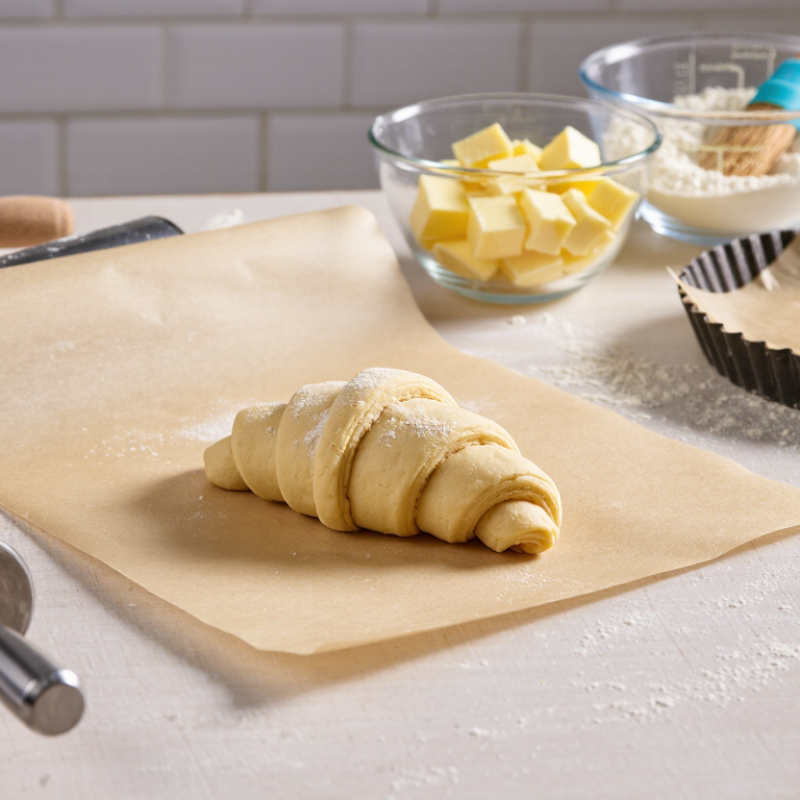
In pastry work, the right paper can prevent sticking, reduce cleanup, and protect delicate dough. It may line a tart tin, separate uncooked pastry layers, or cover a work surface during rolling. Picture a butter-rich croissant dough resting on a clean sheet, with no greasy film spreading across the counter. Small details matter. A poorly chosen sheet can tear, curl, or scorch near a heating element.

This guide explains what Butter Paper For Pastry means and how to use it safely. It covers lining trays, handling sticky dough, storing shaped pastries, and choosing suitable paper for different temperatures. The practical advice follows common bakery methods and manufacturer guidance. Still, product labels deserve attention because paper coatings vary.

The terminology is easy to misuse. That is worth remembering. A sheet suitable for wrapping cookies may not belong inside a hot oven. For reliable results, confirm the maximum temperature and keep paper away from direct flames or exposed heating elements. With that simple check, butter paper becomes a useful tool rather than a source of avoidable pastry problems.
What Is Butter Paper for Pastry and How Is It Used?

What Is Butter Paper for Pastry?

Butter paper for pastry usually means baking parchment: a thin, food-contact sheet made from cellulose and treated for grease resistance.

Despite its name, it often contains no butter. The term varies by region, which can cause confusion.

Wax paper is different. Wax may melt or smoke under high oven heat, while parchment is designed for baking. Check the package temperature limit every time.

In pastry work, parchment lines baking trays, cake tins, and perforated tart rings. It prevents dough from sticking and supports clean release after baking.

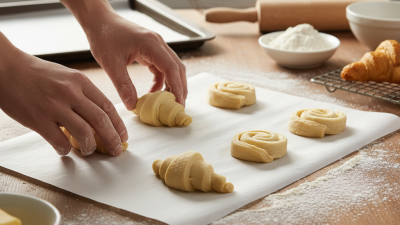
A baker can place it beneath croissants, pipe choux pastry onto it, or fold it into a temporary piping cone.

It also helps lift fragile biscuits from a hot tray. Cut the sheet slightly larger than the pan. Excess edges can darken near heating elements. Keep parchment away from open flames and exposed oven coils.

The FDA Food Code 2022 requires food-contact surfaces to be smooth, durable, and easily cleanable. Properly used parchment supports that hygiene principle, but it does not replace clean equipment.

The 2024 UNEP Food Waste Index Report estimates that households wasted 631 million tonnes of food in 2022. Better release can reduce broken pastry, although parchment alone cannot prevent waste.

I still find reusable silicone mats useful for repeated batches. They can feel less precise for delicate dough. Read the label, avoid reusing stained sheets, and discard paper that becomes brittle or scorched.
How Butter Paper Differs from Parchment and Wax Paper

What Is Butter Paper for Pastry and How Is It Used?

Butter paper is commonly used to line cake tins, wrap dough, and separate delicate pastry layers. In many markets, the term means greaseproof paper, although the name is not completely consistent. It usually resists light moisture and butter but may not tolerate intense oven heat. I use it for short contact with chilled dough, especially when rolling thin pastry. The surface stays fairly smooth. Still, I check the package instructions before baking.

How Butter Paper Differs from Parchment and Wax Paper

Parchment paper is designed for baking. Its treated surface handles oven heat and helps cookies release cleanly. It also tolerates butter, sugar, and moderate moisture. Butter paper may work similarly, but only when it is labeled oven-safe. That small detail matters.

Wax paper has a thin wax coating. It is useful for wrapping sandwiches, storing dough, or separating baked layers after cooling. In a hot oven, the wax can melt, smoke, or transfer onto food. It should not replace parchment for baking. I once treated these papers as interchangeable, which made a pastry base stick and curl at the edges. That mistake was avoidable.

For reliable results, match the paper to the task. Choose parchment for oven baking, greaseproof butter paper for wrapping or lining when suitable, and wax paper for cold preparation. A dull side, shiny coating, or vague label can cause confusion. Check the material, temperature limit, and intended use before cutting the first sheet.

Which Pastry Tasks Use Butter Paper?

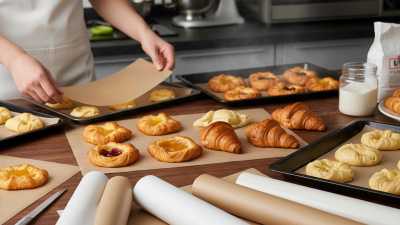
Butter paper is useful for many pastry tasks, especially when clean release matters. I use oven-safe parchment to line cookie sheets, cake tins, and shallow tart pans. It reduces sticking and protects delicate pastry from direct metal heat. For sponge cakes, a fitted sheet helps the thin batter bake evenly. Leave a small overhang for easier lifting after cooling.

It also supports dough preparation. A sheet between the rolling pin and sticky dough reduces added flour, which can keep biscuits tender. Pastry cooks use it to press crumb crusts flat and separate stacked cookies or tart shells. Cut paper circles can cover pastry cream while it chills, limiting skin formation. Small squares also make neat liners for shaping individual desserts.

Check the material before heating it. Some greaseproof papers are not designed for high oven temperatures, and wax-coated paper can melt or smoke. Follow the package temperature limit, and keep paper away from an exposed flame or heating element. I once used a loose sheet under a fan oven and found the edges curled badly. A little water under the paper can help it sit flat, though I still prefer cutting it precisely. It saves time later.

What Is Butter Paper for Pastry and How Is It Used? - Which Pastry Tasks Use Butter Paper?

Pastry Task How Butter Paper Is Used Main Benefit Important Tip Suitable for Baking?
Lining baking trays Place a sheet flat on the tray before adding cookies, biscuits, or pastries. Reduces sticking and makes cleanup easier. Trim or fold the edges so the paper does not touch exposed heating elements. Yes, when the paper is labeled oven-safe.
Baking cookies Use it between the dough and the tray to create a smooth baking surface. Helps cookies release with less breakage. Leave space between cookies because paper does not prevent dough from spreading. Yes, if heat-rated for the recipe temperature.
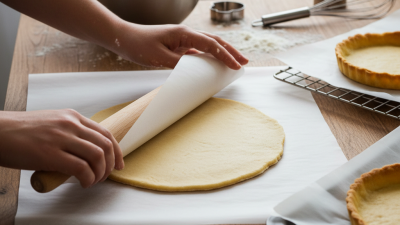
Rolling pastry dough Place dough between two sheets before rolling it thinner. Limits sticking and reduces the need for extra flour. Chill soft dough if it becomes difficult to handle. Not applicable; this is a preparation use.
Preparing pie crust Use it to roll the crust or line the crust before adding a weight for blind baking. Supports an even crust and helps prevent sticking. Cover the pastry with paper before adding dry pie weights or dried beans. Yes, with oven-safe baking paper.
Blind baking tart shells Line the unbaked shell with paper and fill it with weights to hold the shape. Helps prevent puffing and shrinking during the first bake. Shape the paper gently into the corners without tearing the dough. Yes, when rated for the oven temperature.
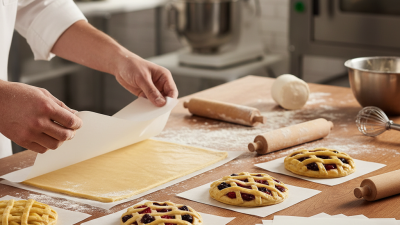
Separating pastry layers Place sheets between prepared dough rounds, tart shells, or shaped pieces. Prevents pieces from sticking together during chilling or freezing. Use flat sheets and avoid compressing delicate layers. Usually no direct baking is involved.
Decorating with icing or chocolate Pipe or drizzle decorations onto the paper and allow them to set. Makes delicate decorations easier to lift after setting. Keep the surface dry and flat for cleaner shapes. No baking is normally required.
Making a piping cone Fold a triangular sheet into a cone for piping small amounts of icing or melted chocolate. Provides a disposable, flexible decorating tool. Fold the tip securely and cut only a small opening at first. No baking is normally required.
Freezing shaped pastries Line a tray or place paper between unbaked pastries before freezing. Reduces sticking and simplifies transfer to a storage container. Freeze pieces in a single layer until firm before stacking. Yes, if the paper is also oven-safe for later baking.
Wrapping baked goods Wrap individual pastries or use it as a clean liner inside a container. Helps separate items and protects surfaces from excess butter or icing. Cool pastries completely before wrapping to reduce condensation. Not a baking use.

Note: In pastry, “butter paper” commonly refers to grease-resistant baking or parchment paper. Always check the package instructions, because wax paper is not a direct substitute for oven-safe baking paper.

How to Prepare and Place Butter Paper

Butter paper, often called parchment or greaseproof paper, helps pastry release cleanly and keeps pans easier to wash. The name can mislead. Some greaseproof sheets are not designed for high oven temperatures, so check the package specification before use.

In 2024, the United Nations Environment Programme reported that packaging uses about 36% of global plastic production. That figure supports paper alternatives, but paper still needs responsible use.

How to Prepare and Place Butter Paper

Measure the tin before cutting. Add two centimetres on each side for easy lifting. For a round cake pan, trace the base, cut the circle, and make small diagonal snips around the edge. Brush a thin layer of butter underneath. It holds the paper in place. Press the sheet flat, especially around the corners.

For pastry trays, lay the paper with no folds beneath the dough. A smooth surface reduces tearing during transfer. Leave a small overhang for cookies or tart shells. Avoid letting loose edges touch oven walls or heating elements.

The International Food Information Council notes that food-contact materials should follow their intended use and temperature limits. This matters more than appearance.

I usually test one sheet first. It sounds cautious, but ovens vary. The paper may curl, darken, or stick when moisture is high. A 2023 Smithers packaging report identified foodservice and bakery applications as continuing demand areas for paper-based packaging. Still, “paper” does not mean universally heatproof. Check the maximum temperature, keep the sheet away from flames, and replace it when it becomes brittle or heavily stained.

How to Use Butter Paper Safely in Baking

Butter paper usually means parchment paper, but some sellers use the term for waxed paper. That difference matters. Parchment is made for baking; waxed paper may melt, smoke, or transfer wax under heat. FDA regulation 21 CFR 176.170 covers certain paper products for food contact, but suitability depends on intended use. Check the package temperature limit. Do not guess.

Cut the sheet to fit the tray, leaving no loose edges near heating elements. A small amount of butter can hold it in place. Too much grease may increase scorching. Keep paper away from broilers, open flames, oven walls, and heating coils. Never reuse paper that looks brittle, blackened, or soaked with raw filling. I sometimes cut sheets too large. That mistake is avoidable.

USDA FSIS recommends 165°F (74°C) for poultry and reheated leftovers, measured inside the food, not on the paper. For custard pastries, check that the center is properly set. The NFPA 2020–2024 Home Cooking Fires report estimates cooking causes 44% of reported home fires and 61% of home-fire injuries. Heat deserves respect. Use oven mitts, let the tray cool, and lift paper slowly to avoid steam burns. Butter paper helps. It is not heatproof.