Leave Your Message

China Top 10 Butter Paper for Pastry Manufacturers?

China’s pastry industry is becoming more demanding, especially in food safety, presentation, and sustainable packaging. This makes Butter Paper For Pastry an important purchasing decision, not merely a wrapping material. China’s bakery sector continues expanding, while professional reports from Euromonitor International and Grand View Research highlight stronger demand for convenient, premium, and environmentally responsible bakery products. Those trends influence paper quality, coating choices, printing standards, and supplier reliability.

Smithers’ packaging reports also identify fiber-based materials as an important pathway toward lower-plastic food packaging. However, “eco-friendly” should never be accepted without evidence. Buyers should inspect food-contact declarations, migration-test results, basis weight, grease resistance, and production traceability. A pastry shop needs paper that releases cleanly from a buttery croissant, not a beautiful sheet that tears at the oven tray.

Walter Soroka, author of Fundamentals of Packaging Technology, defines packaging as “the science, art, and technology of enclosing and protecting products.” His statement applies directly here. The best Chinese manufacturers balance protection, appearance, and production efficiency. Some suppliers can offer custom logos, baking-safe coatings, and fast sampling. Others may present attractive catalogs but provide weak technical documentation.

That gap matters.

This guide examines China’s top ten Butter Paper For Pastry manufacturers through practical criteria, including material consistency, coating performance, customization, certifications, export experience, and responsive service. The ranking is not absolute. Pricing changes, factory capacity fluctuates, and supplier claims require verification. A careful buyer should request samples, test them with real pastry recipes, and review current compliance records before placing a large order.
China Top 10 Butter Paper for Pastry Manufacturers?

What Is Butter Paper and Why Is It Used in Pastry Production?

Butter paper is a food-grade sheet used to separate, line, wrap, or protect pastry products. The term can describe greaseproof paper or baking parchment, depending on the market. These materials are not always identical. Baking parchment usually has a heat-resistant coating, while greaseproof paper may suit wrapping better than oven use. Always check the technical specification.

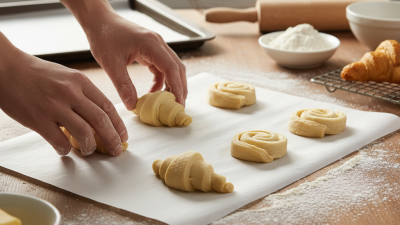
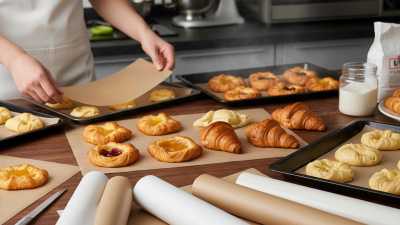
In pastry production, butter paper helps prevent dough from sticking to trays, molds, and worktables. It also reduces cleanup after baking. A sheet beneath croissant dough keeps delicate layers intact during transfer. Around cookies, it limits direct contact with metal surfaces. This can support a cleaner finish and more consistent release. Small details matter. Sheet thickness, coating quality, and moisture resistance affect results.

From practical bakery work, I have found that paper selection is easy to underestimate. A low-quality sheet may curl, tear, or absorb butter during production. That creates waste and uneven handling. Not every sheet works. Manufacturers should confirm food-contact compliance, oven temperature limits, cutting accuracy, and packaging conditions. Paper made for wrapping may fail inside a hot oven. The honest limitation is that no single paper suits every pastry process. Testing the sheet with real dough, butter, heat, and storage conditions remains the most reliable step.
Key Criteria for Selecting Chinese Butter Paper Manufacturers

Selecting Chinese butter paper manufacturers requires more than comparing quoted prices. Paper quality changes with basis weight, fiber composition, coating, and moisture control. FAO forestry statistics reported global paper and paperboard production at roughly 420 million tonnes in 2023, showing the scale of this supply chain. Yet scale does not guarantee pastry performance.

Ask manufacturers for recent test results, not only product samples. Grease resistance should be verified through KIT testing, while Cobb testing can indicate water absorption. Check basis-weight tolerance, thickness, tensile strength, and heat resistance under actual baking conditions. For food-contact use, request migration reports from independent laboratories. Production records should also show batch traceability, quality-control procedures, and storage humidity. Certification helps, but it is not proof of every shipment.

Supplier experience matters when paper must release cleanly from butter-rich croissants or laminated dough. Request samples from at least three production batches. Test them with your own oven, filling, and packing speed. A paper that works at 180°C may curl at 220°C. Small details matter. I would also inspect roll edges, odor, cutting accuracy, and carton protection. According to Grand View Research, the global food packaging market was valued at over 500 billion U.S. dollars in 2023, with continued growth expected through 2030. That growth increases supplier choices, but also encourages vague claims. Some specifications may remain incomplete, so record every assumption before signing a manufacturing agreement.

China’s Top 10 Butter Paper Manufacturers for Pastry Applications

China’s Top 10 Butter Paper Manufacturers for Pastry Applications

China’s leading ten butter paper manufacturers serve bakeries, pastry factories, and foodservice distributors. Their products usually include greaseproof sheets, baking rolls, and pre-cut liners. According to the China Paper Association’s 2023 annual report, China produced about 129.65 million tonnes of paper and paperboard. This scale supports strong converting capacity and flexible export supply.

For pastry applications, buyers should examine more than appearance. Practical tests should cover grease resistance, oven stability, release performance, and folding strength. Typical baking paper ranges from 35 to 60 gsm. Silicone coating must remain stable during repeated contact with butter, oil, and high temperatures. The Smithers report, The Future of Packaging: Long-Term Strategic Forecast to 2028, identifies paper-based formats as major growth areas in food packaging. That trend increases demand for reliable pastry liners.

The strongest manufacturers usually provide batch traceability, food-contact documentation, and consistent roll widths. They can also adjust sheet size, coating weight, and packaging style for different production lines. Some suppliers perform well in sampling but struggle with large-volume consistency. That matters. A ranking is never perfect. Buyers should request recent test records, inspect production samples, and compare performance after baking. Lower prices may hide uneven coating, curling edges, or weak moisture resistance. Actual kitchen trials remain more convincing than polished catalog claims.

Product Comparison: Materials, Sizes, Coatings, and Customization

China Top 10 Butter Paper for Pastry Manufacturers?

When comparing China’s top ten butter paper options, material quality should lead the discussion. Bleached kraft paper gives a clean appearance and reliable folding strength. Vegetable parchment offers better grease resistance for croissants, Danish pastries, and butter-rich cakes. Paper weight also matters. A 35–45 gsm sheet feels flexible, while heavier grades resist tearing during packing.

Size selection must match the production line, not only the product. Common formats include 30 × 30 cm sheets, narrow roll stock, and custom-cut circles. I have found that oversized sheets often create unnecessary waste around small tartlets. Yet, undersized paper can expose trays and stain cartons. Measure the pastry, tray depth, and sealing area before ordering. Small errors become expensive at scale.

Coatings need careful comparison. Silicone treatment improves release and supports repeated baking, while wax coatings may suit cold wrapping better. Ask for coating weight, temperature guidance, odor testing, and food-contact documentation. Custom printing can strengthen presentation, but ink coverage should not reduce grease resistance. Custom colors may also shift between batches. That point is easy to overlook. In one trial, a visually attractive dark print made grease marks less noticeable during inspection. I would now request pilot samples, production-line testing, and batch records before approving a large order. Small details matter.

China Top 10 Butter Paper for Pastry Manufacturers? - Product Comparison: Materials, Sizes, Coatings, and Customization
Profile Paper Material Basis Weight Common Sheet Sizes Roll Widths Surface / Coating Typical Temperature Range Grease Resistance Customization Best Pastry Applications Recycling Consideration
Type 01 Bleached cellulose-based greaseproof paper 35–45 g/m² 25 × 35 cm
30 × 40 cm
30–120 cm Machine-glazed, uncoated Up to approximately 200°C, subject to oven validation High for dry and moderately oily foods Sheet cutting, roll length, printed markings Cookie liners, pastry separators, bakery wrapping Usually recyclable when free from food residue and additives
Type 02 Natural brown greaseproof paper from virgin cellulose 35–50 g/m² 25 × 35 cm
30 × 40 cm
30–100 cm Uncoated, natural kraft appearance Up to approximately 200°C, subject to application testing High Brown or one-color printing, die-cutting Rustic pastry presentation, bread bags, food wrapping Generally recyclable if unlaminated and clean
Type 03 Single-sided silicone-coated parchment paper 38–45 g/m² 30 × 40 cm
40 × 60 cm
30–150 cm Food-grade silicone on one side Approximately −40°C to 220°C; confirm supplier specification Very high Sheet size, roll width, release level, packaging Cookies, croissants, laminated dough, baking trays Silicone treatment may limit recycling in some local systems
Type 04 Double-sided silicone-coated parchment paper 40–50 g/m² 30 × 40 cm
40 × 60 cm
30–150 cm Food-grade silicone on both sides Approximately −40°C to 220°C; validate for specific equipment Very high on both surfaces Custom sheets, rolls, cartons, private specifications Sticky dough, meringue, macarons, high-fat pastries Recycling availability depends on local fiber-recovery rules
Type 05 Wet-strength greaseproof paper 40–60 g/m² 25 × 35 cm
30 × 40 cm
30–120 cm Wet-strength additive, normally uncoated Generally suitable for room-temperature and moderate-heat use High Moisture resistance, sheet size, printing Chilled pastries, cream-filled products, food-service liners Recyclability depends on the wet-strength chemistry and local rules
Type 06 High-density supercalendered greaseproof paper 30–40 g/m² 20 × 30 cm
30 × 40 cm
25–100 cm Highly calendered, smooth, uncoated Suitable for standard bakery wrapping; test before oven use Medium to high Thin-gauge conversion, roll slitting, printing Interleaving, confectionery wrapping, light pastry packaging Typically recyclable when clean and unlaminated
Type 07 Bleached baking parchment with enhanced release treatment 40–52 g/m² 30 × 40 cm
40 × 60 cm
30–150 cm Enhanced silicone release surface Approximately −40°C to 220°C, depending on the grade Very high Release level, roll core, sheet count, carton design Delicate biscuits, choux pastry, sugar decorations Usually treated as coated paper; check local recycling guidance
Type 08 Natural parchment-style paper for food presentation 40–55 g/m² 25 × 35 cm
30 × 40 cm
30–100 cm Natural shade, grease-resistant finish Suitable for serving and wrapping; oven use requires confirmation High Natural color, logo printing, perforation, die-cut shapes Pastry baskets, takeaway bags, sandwich and dessert wrapping Often recyclable if free from plastic laminate and heavy residue
Type 09 Perforated silicone-coated baking paper 40–50 g/m² 30 × 40 cm
40 × 60 cm
30–120 cm Silicone coating with airflow perforations Approximately −40°C to 220°C; confirm perforation and oven compatibility Very high Hole diameter, pitch, sheet size, roll format Air-fryer pastries, baguettes, tart shells, baking trays Coating and food residue may affect recyclability
Type 10 Pre-cut and folded food-grade parchment sheets 40–52 g/m² Custom sizes from 15 × 20 cm to 60 × 80 cm Roll-free sheet format Single- or double-sided silicone coating Approximately −40°C to 220°C, depending on the coating grade Very high Folding pattern, perforation, sheet count, carton packing Industrial pastry lines, tart pans, cake collars, tray lining Recycling depends on silicone treatment and local collection standards
Specifications are representative commercial ranges for food-grade butter, greaseproof, and parchment papers. Actual oven performance, food-contact compliance, release properties, and recyclability should be verified using the supplier’s technical data sheet and application testing.

How to Evaluate Quality, Compliance, Pricing, and Supply Capacity

When comparing China’s top ten butter paper manufacturers, assess the sheet, not only the catalogue image. Ask for production samples from different batches. Check release performance with butter, chocolate, and laminated dough. The paper should separate cleanly without tearing or leaving fibers. Measure basis weight, thickness, grease resistance, and heat tolerance. Small differences can affect pastry appearance.

Compliance needs documented evidence. Request food-contact declarations, migration test reports, and traceability for pulp, coatings, and inks. Confirm that documents match the exact product, not a similar grade. Packaging should protect rolls from moisture and dust during storage. A clean factory, controlled production area, and written inspection records show stronger process discipline. Certificates alone are not enough.

Pricing should include printing, slitting, tooling, packaging, freight, and possible waste. A low quotation may hide weak coating control or unstable dimensions. Compare prices using the same specifications and order volume. Supply capacity also deserves testing. Review monthly output, machine numbers, lead times, backup materials, and emergency response procedures. Request a pilot order before committing to large volumes. I have found that supplier answers can sound confident while remaining vague. That is a warning. No evaluation method is perfect, and even a promising manufacturer may fail during peak pastry seasons. A practical review combines samples, factory records, third-party testing, and clear corrective-action terms.