2026 Best Air Fryer Paper Which Type Is Best?
Choosing the best Air Fryer Paper in 2026 requires more than selecting the cheapest liner. Different papers affect airflow, browning, cleanup, and food safety. A perforated parchment sheet may suit chicken wings, while a solid liner can better contain marinades and crumbs. Size matters, too. An oversized sheet may fold against the heating element, while a small sheet may leave greasy areas exposed.
Air-fryer materials specialist Dr. Elena Marquez explains, “The best liner protects the basket without blocking the air that creates crisp texture.” That principle guides this comparison. We will examine perforated parchment, unperforated parchment, pre-cut basket liners, disposable paper trays, and reusable alternatives. Each option has practical strengths. None is perfect.
Real kitchen details matter here. A liner should lie flat beneath the food, resist tearing, and tolerate the manufacturer’s stated temperature range. It should also remain weighted by food during cooking. Empty paper can move. That small mistake deserves attention. Readers should check food-contact labeling, follow package instructions, and avoid placing paper near exposed heating elements. A useful liner should reduce cleanup, not create another risk.
This guide combines material knowledge with everyday testing considerations. We will compare crispness after fifteen minutes, grease absorption, corner curling, and removal after cooking. Results can vary with basket shape, food moisture, and cooking temperature. That uncertainty is important. The “best” Air Fryer Paper depends on your recipes, appliance design, and tolerance for cleanup. Expect practical answers, not exaggerated promises.
What Is Air Fryer Paper and Why Is It Used?
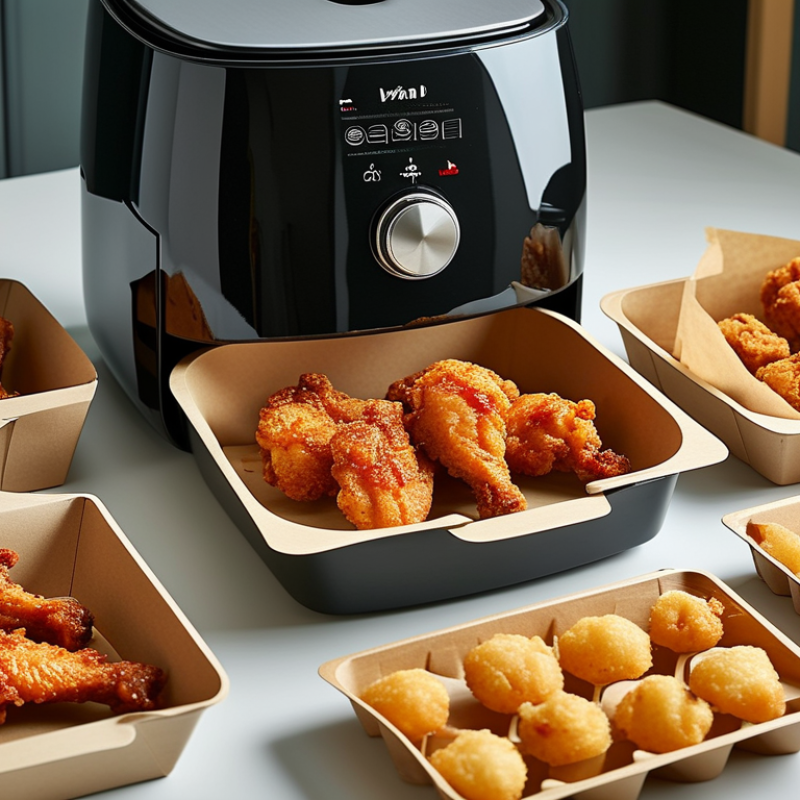
Air fryer paper is a heat-resistant liner placed inside the cooking basket. Most versions use perforated parchment with a food-safe silicone coating. The holes allow hot air to circulate around the food. Without them, the paper may reduce crisping and extend cooking time. It is not the same as wax paper. Wax coatings can melt or smoke under high heat. Always check the paper’s temperature limit before cooking.
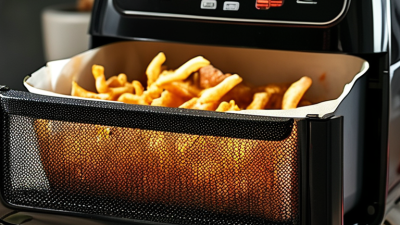
People use air fryer paper to reduce sticking and simplify cleanup. It can catch oil, crumbs, and melted cheese from foods such as wings, vegetables, or pastries. A correctly sized sheet should sit flat inside the basket. It should not rise toward the heating element. Add food on top before starting the machine, because loose paper may move during preheating. I once used a sheet that was too large, and its edges curled near the hot surface. That was a useful warning, but not a mistake worth repeating. Paper also needs airflow, so avoid stacking several layers. Follow the appliance instructions, especially when cooking greasy food at high temperatures. A reusable perforated liner may work differently, but it still needs regular washing and inspection. Discard any liner that becomes torn, scorched, or unusually brittle.
Which Air Fryer Paper Types Are Available in 2026?
Air fryer paper now comes in several practical forms. Perforated parchment sheets improve airflow and help food crisp beneath the surface. Solid parchment bowls hold sauces, crumbs, and small vegetables more securely. Unbleached parchment has a brown appearance, while bleached parchment looks cleaner but offers little cooking advantage. Pre-cut sheets save time, although their sizes may not fit every basket.
Reusable silicone liners are another 2026 option, but they are not paper. They reduce disposable waste and usually need more washing. Compostable parchment is also available, yet the claim needs careful checking. “Compostable” may require commercial facilities, not a home compost bin. A 2024 Grand View Research estimate places the global parchment paper market near US$1.4 billion, with steady growth expected through 2030. That expansion reflects wider food-packaging demand, not automatic proof of better air-fryer performance. The distinction matters.
Tips:
Choose food-contact parchment with a clear temperature rating. Never place loose paper inside during preheating. The heating element can lift it. Keep paper beneath food, not above it. FDA food-contact guidance, including 21 CFR 176.170, supports checking intended-use conditions rather than trusting appearance alone. I still find perforation inconsistent across products. Some sheets leave pale spots on the underside. For greasy wings, a rack or carefully sized liner may work better than a full bowl. Always inspect the paper after cooking.
How to Choose the Best Air Fryer Paper for Your Needs?
2026 Best Air Fryer Paper: Which Type Is Best?
Choosing the best air fryer paper starts with your food, basket design, and cooking temperature. Perforated parchment suits fries, wings, and vegetables because holes preserve airflow. Solid parchment works better for marinades or small crumbs. Silicone liners are reusable, but they may reduce crisping when they cover too much of the basket. Fit matters. Never let paper rise toward the heating element. Add food on top to hold it down.
Check the package for food-contact approval, maximum temperature, and oven suitability. The U.S. Food and Drug Administration regulates paper and paperboard used with fatty foods under 21 CFR 176.170. That does not mean every paper sheet is suitable for air frying. Wax paper is a poor choice because its coating can soften or smoke. A liner should also match the basket without folding against the heater.
Cooking safety matters more than a crisp surface. USDA FSIS guidance recommends 165°F for poultry, 160°F for ground meats, and 145°F for whole cuts with a three-minute rest. Use a thermometer. Paper cannot confirm doneness. I prefer pre-cut, perforated sheets for quick meals, though I sometimes choose a solid sheet for saucy fish. My earlier mistake was buying oversized paper; it blocked airflow and left the underside pale. Reusable silicone can reduce waste, but cleaning its narrow grooves takes longer than expected. Read the label.
How to Use Air Fryer Paper Safely and Effectively?
The best air fryer paper is usually perforated parchment designed for high-heat cooking. It allows hot air to circulate beneath food, helping vegetables crisp and chicken brown evenly. Ordinary wax paper is unsuitable because its coating can melt or smoke. Check the package temperature limit before cooking, since paper products differ in heat resistance.
Use the paper only after food is placed on it. A loose sheet may lift into the heating element. I learned this the hard way when an oversized liner folded near the fan. Cut the paper to fit the basket, leaving the air vents clear. Never cover the entire basket with one solid sheet unless airflow remains adequate.
Keep the paper below the basket rim. Food should weigh it down, especially during preheating. Many safety guides advise against preheating with an empty liner inside. Instead, add the liner with the ingredients. Watch for darkening, curling, or smoke, and stop cooking if any appears.
Perforated sheets work well for fries, fish, and pastries. For very oily foods, replace the paper between batches. Grease can spread and weaken it. I sometimes use too much paper for small portions, which wastes material and reduces browning. A smaller sheet is often better. Always follow the appliance instructions, because basket shape, fan strength, and maximum temperature can vary.
What Are the Best Alternatives to Air Fryer Paper?
Parchment is useful, but it is not always the best air fryer paper alternative. A reusable silicone liner handles repeated cooking and usually resists grease well. Choose one with perforations, because solid liners can block airflow and soften fries. A bare basket often gives better browning. It also creates more washing.
Perforated parchment remains practical for delicate fish, sticky marinades, and small pastries. Keep it under food, never loose during preheating. A lightweight sheet can touch the heating element. Aluminum foil can hold oily foods, but it may restrict circulation and should not cover the entire basket. A small heat-safe metal dish works better for sauces or cheese.
Energy research matters here. The U.S. Department of Energy reports that smaller convection appliances generally use less energy than full-size ovens for small portions. That benefit disappears when airflow is heavily blocked. Food safety matters more than convenience. USDA FSIS recommends 165°F (74°C) for poultry. Use a thermometer, even when a liner prevents sticking. Silicone can look ideal, yet my first assumption was too simple. It may reduce crispness, especially with wet coatings. Trial results vary with basket shape, food moisture, and temperature. Check the liner’s heat rating and food-contact instructions before cooking.
2026 Best Air Fryer Paper: Which Type Is Best?
Silicone liners are reusable and commonly rated for temperatures around 220–230°C, while parchment paper is typically heat-resistant to about 220°C and is best for single-use cooking. Aluminum foil has a much higher melting point, approximately 660°C, but it can restrict airflow and should not block the basket or heating element. Perforated parchment is generally the most balanced option when airflow and easy cleanup are priorities.



 Jimmy
Jimmy Eric
Eric