Top 10 Best Air Fryer Paper Options for Perfect Cooking Results?
The rise of the air fryer has transformed cooking habits. According to a recent report by the NPD Group, air fryers have become one of the fastest-growing kitchen appliances, with sales increasing by over 30% in the last year alone. The benefits are clear—healthier meals with less oil and enhanced flavor. However, to achieve perfect cooking results, utilizing high-quality Air Fryer Paper is essential.
Air Fryer Paper can prevent food from sticking and make cleanup easier. Not all papers are created equal, and using subpar options can lead to disappointing results. In fact, many consumers have reported issues with non-stick performance and paper durability. Some papers may not withstand high temperatures, leading to burnt edges or compromised taste. It’s crucial to choose Air Fryer Paper that is reliable and fits your cooking needs.
Investing in the right Air Fryer Paper is not just about convenience; it's about enhancing your culinary results. As the market for air fryer accessories grows, discerning consumers must navigate through numerous products. Selecting the best options can elevate your cooking experience. It is worth taking the time to research and understand the different types of Air Fryer Paper available to ensure you achieve those perfect meals.
What is Air Fryer Paper and Its Benefits for Cooking?
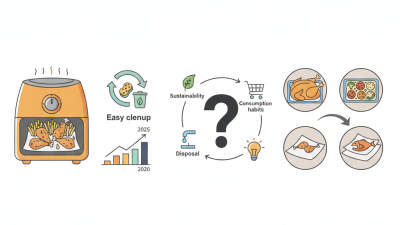
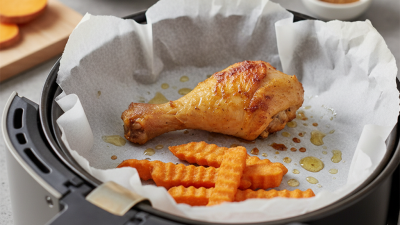
Air fryer paper is an innovative cooking tool specifically designed for air fryers. It acts as a barrier between food and the basket, promoting healthier cooking. The benefits include reduced sticking, easier cleanup, and less use of oil. This makes it a favorite among health-conscious cooks. The paper allows hot air to circulate freely, ensuring even cooking while keeping your food crispy.
Using air fryer paper also helps preserve the flavors of your dishes. It absorbs excess grease, preventing an oily texture. However, not all air fryer papers are created equal. Sometimes, they can burn if the temperature is too high. This requires careful monitoring during cooking. Choosing the right thickness and size is crucial for optimal results.
Many users find experimenting with different types of air fryer paper to be a learning experience. Some papers may create an unwanted taste or aroma. It’s important to try various options. Likewise, using too much paper can hinder air circulation. Striking a balance between convenience and effectiveness is vital for the best cooking outcomes.
Top 10 Best Air Fryer Paper Options for Perfect Cooking Results
| Air Fryer Paper Type |
Material |
Size (inches) |
Heat Resistance (°F) |
Features |
| Parchment Paper Liners |
Parchment |
9 |
450 |
Non-stick, perforated |
| Silicone Baking Mats |
Silicone |
10 x 10 |
500 |
Reusable, heat-resistant |
| Disposable Air Fryer Liners |
Paper |
8 |
450 |
Biodegradable, greaseproof |
| Oven-Safe Foil Liners |
Aluminum Foil |
10 x 10 |
600 |
Strong, heat conductive |
| Oil-Absorbent Paper Liners |
Paper |
9 |
450 |
Oil absorbent, non-stick |
| Natural Bamboo Liners |
Bamboo |
7 x 9 |
450 |
Eco-friendly, biodegradable |
| Perforated Baking Paper |
Parchment |
8 |
450 |
Breathable, easy clean |
| BBQ Grill Mats |
PTFE coated |
15 x 13 |
500 |
Non-stick, reusable |
| Air Fryer Trivet Liner |
Silicone |
9 |
500 |
Elevates food, reusable |
| Heat-Resistant Baking Paper |
Parchment |
10 x 10 |
450 |
Durable, moisture resistant |
Criteria for Choosing the Best Air Fryer Paper Options
When selecting the best air fryer paper, it’s essential to consider various factors. The material should be heat-resistant and non-stick. Look for parchment paper designed specifically for air frying. It allows hot air to circulate, ensuring even cooking and crispy results.
Thickness matters too. Thicker papers tend to handle higher temperatures without burning. However, be cautious. Too thick might hinder airflow, impacting cooking efficiency. Also, consider the shape and size of the paper. It should fit your air fryer perfectly to avoid snagging or folding.
Another point of reflection is the coating of the paper. Some papers have silicone coatings for added non-stick properties. While these can enhance usability, they may not be eco-friendly. Think about the balance between functionality and environmental impact. An informed choice here leads to better cooking results and aligns with personal values.
Top 10 Air Fryer Paper Brands for Optimal Cooking Results
When it comes to air frying, using the right paper can enhance your cooking experience. Many options exist in the market, each designed to meet diverse cooking needs. Choosing high-quality air fryer papers can prevent sticking and make cleanup easier.
Look for unbleached options. They are healthier and provide a natural feel to your cooking. Ensure the paper is heat-resistant. Not all papers can handle high temperatures. This may lead to burnt bits or paper residues. Opt for pre-cut sheets; they save time and reduce waste.
Tip: Always check the reviews. User experiences offer valuable insights. They can guide you to the best products for your needs. Also, consider the thickness. Thinner paper might burn easily, while thicker varieties hold up better.
Experimenting with different brands can yield better results. You may find some papers work better with specific foods. The right choice can improve crispiness and flavor. However, some papers might not perform as expected, leading to frustration. Keep track of what works for you and refine your preferences.
How to Properly Use Air Fryer Paper for Best Practices
Using air fryer paper can significantly enhance your cooking experience, but proper usage is key. The right paper can absorb excess oil and prevent food from sticking. According to a report from the Food Institute, nearly 60% of home cooks prefer non-stick solutions to ease their cooking process. This aspect highlights the importance of air fryer paper that is specifically designed for high temperatures.
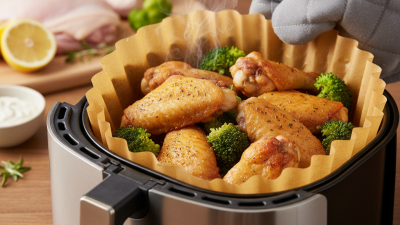
When using air fryer paper, start by cutting it to fit your basket. Make sure it isn’t too large, as this could block air circulation. Ensure there are holes for steam to escape. Industry research indicates that proper air circulation can lead to 30% faster cooking times. A tip is to place food on top of the paper rather than directly on the basket. This prevents it from blowing around and helps maintain crispiness.
Some users experience issues with paper moving unexpectedly or burning. The choice of paper thickness is vital. Thicker papers can withstand higher temperatures better. However, if you find that your paper burns, reduce your cooking temperature or time. It’s also essential to monitor your food closely as various air fryers have different heating capabilities. Adjustments may be necessary to achieve perfect results.
Tips for Maintaining Your Air Fryer Paper for Longevity
Maintaining your air fryer paper is essential for optimal cooking results. Air fryer paper can help improve airflow, prevent sticking, and make cleanup easier, but its longevity depends on proper care. Research indicates that users who replace their cooking paper frequently report better food quality and less smoke production. Therefore, understanding how to maintain air fryer paper can enhance your cooking experience.
To extend the lifespan of your air fryer paper, avoid exposing it to high temperatures for extended periods. Studies reveal that temperatures above 400°F can degrade the paper more rapidly. Instead, try to set your air fryer to the recommended temperature for your specific dish. After use, allow the paper to cool fully before removing it from the air fryer. This practice prevents sticking and ensures that the paper maintains its integrity for your next cooking session.
Regular cleaning of your air fryer also plays a role in the longevity of air fryer paper. Residue build-up can compromise the effectiveness of the paper, leading to uneven cooking. Invest time in cleaning your air fryer basket and interior to improve airflow. As a result, you will likely notice a difference in cooking performance and flavor. Finally, consider noting the wear and tear of your paper; this reflection can help inform your future cooking practices.




 Jimmy
Jimmy Eric
Eric