Leave Your Message

Doilies Paper: What Are They and How to Use Them in Crafting?

Doilies paper has emerged as a versatile and charming addition to the world of crafting, offering crafters a unique way to enhance their projects. Often characterized by intricate lace-like patterns, these delicate paper creations bring a touch of elegance and whimsy to various applications, from home décor to festive celebrations. As crafting enthusiasts seek ways to elevate their work, doilies paper presents an affordable and accessible material that can be employed in countless creative endeavors.

In this guide, we will explore the fascinating world of doilies paper, including its rich history, various types available, and practical uses in crafting. Whether you are looking to create eye-catching card designs, decorate table settings, or add flair to your scrapbooking projects, understanding how to incorporate doilies paper can significantly enhance your artistic expression. Let us dive into the myriad ways that this charming material can spark creativity and bring your crafting visions to life.
Doilies Paper: What Are They and How to Use Them in Crafting?

What Are Doilies Made of and Their Various Types

Doilies Paper: What Are They and How to Use Them in Crafting?

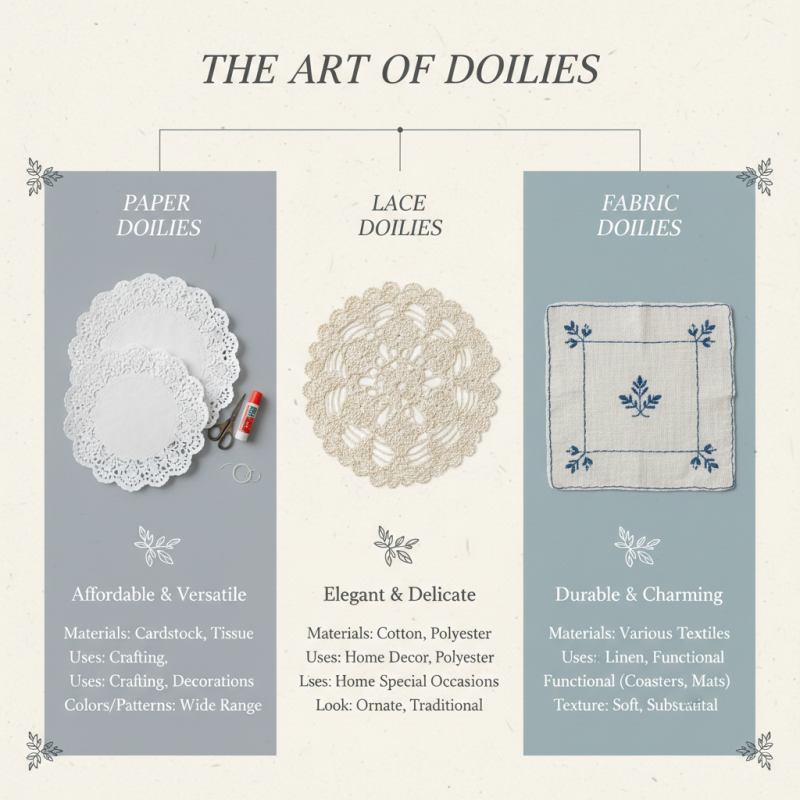
Doilies are intricate decorative pieces that can be made from a variety of materials, each lending a unique character to their appearance and function. The most common materials include paper, lace, and fabric. Paper doilies are particularly popular in crafting due to their affordability and versatility. They are often created from various types of paper, such as cardstock or even lightweight tissue, and are available in a range of colors and patterns. Lace doilies, typically made from cotton or polyester, offer a more elegant touch and are often used in home décor or special occasions. Fabric doilies, made from linen or other textiles, combine durability with charm, making them suitable for both crafting and functional uses.

In addition to their material composition, doilies come in various types that cater to different crafting needs. Round doilies are perhaps the most familiar, often used as table settings or accents in scrapbooking. Floral doilies showcase intricate flower patterns and can enhance greeting cards or invitations. Geometric doilies offer modern designs that appeal to various artistic styles. The different types and materials of doilies allow crafters to explore creative possibilities, from layering them in mixed media art to using them as stencils for painting or embossing. Whether for a festive occasion or simple home crafting, doilies add texture and elegance to any project.

The History and Cultural Significance of Doilies

Doilies Paper: What Are They and How to Use Them in Crafting?

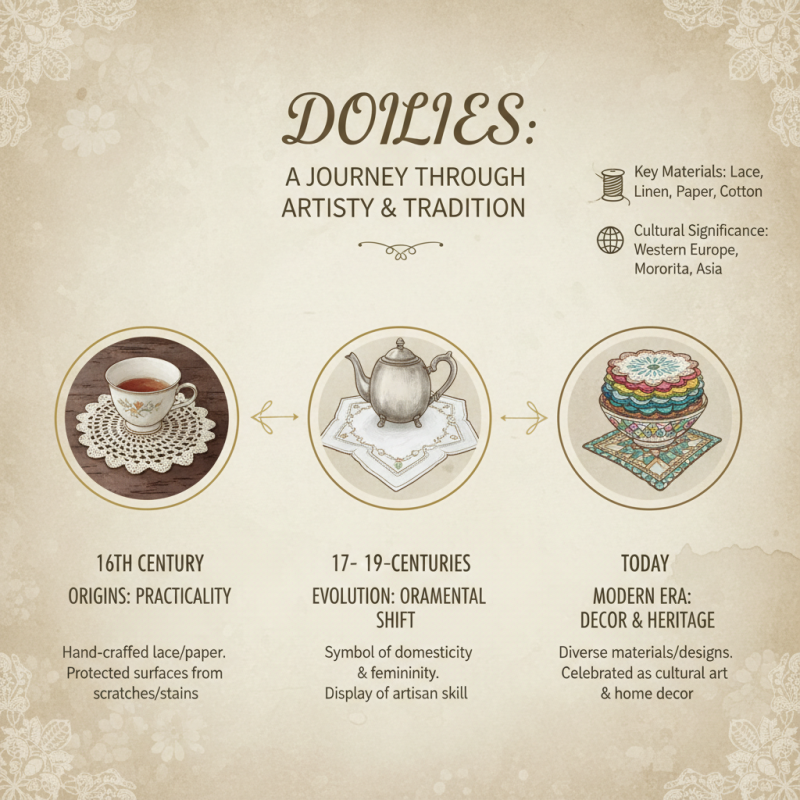
Doilies have a rich history that spans various cultures, serving not just as decorative elements but also as symbols of artistry and tradition. Originating in the 16th century, these intricate lace or paper creations were initially crafted to protect surfaces from scratches and stains, reflecting the practicality of home design during that period. Over the years, doilies transitioned from purely functional items to ornamental pieces, often associated with domesticity and femininity. They became a staple in households, particularly in Western cultures, where they adorned tables and showcased the skill of the artisans who made them.

The cultural significance of doilies is also evident in their use in significant life events and celebrations. In many cultures, they are crafted for weddings, christenings, and other festivities, symbolizing purity and attention to detail. Additionally, doilies have made their way into the arts and crafts scene, reimagined by modern creators who incorporate them into various projects, from scrapbooking to home décor. This evolution highlights how doilies continue to hold sentimental value, connecting generations through the shared appreciation for handmade creations that reflect both history and cultural identity.

Creative Crafting Ideas Using Paper Doilies

Paper doilies, often seen as delicate lace-like circles, have become increasingly popular in the crafting community for their versatility and aesthetic appeal. According to a recent report from the Craft Industry Alliance, the DIY and crafting market has grown significantly, with paper crafting seeing a notable uptick of approximately 30% in the last year alone. This surge can be attributed to the rise of social media platforms where crafters share their unique projects, inspiring others to explore creative avenues.

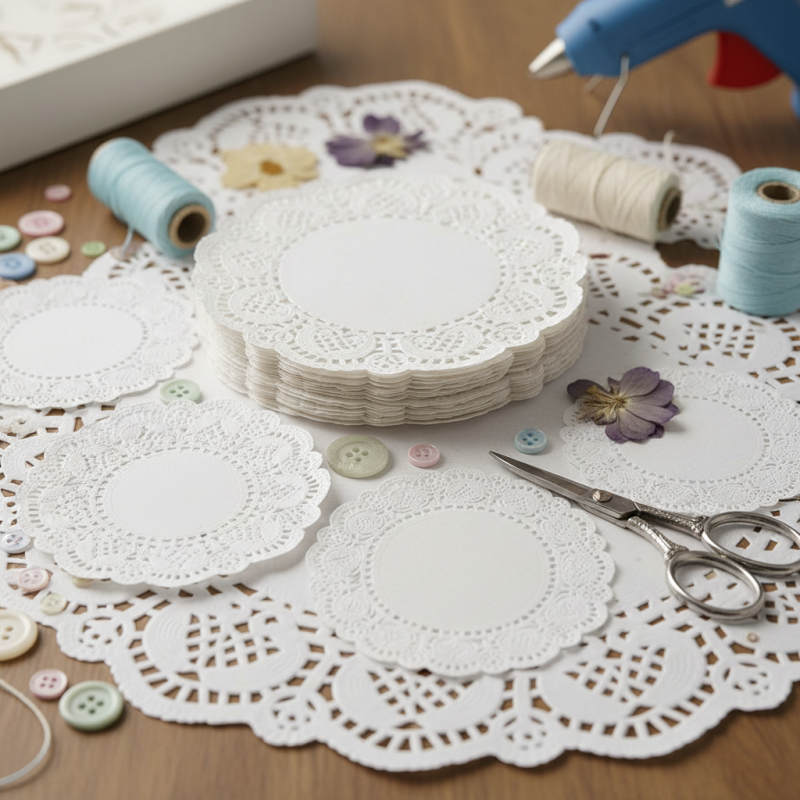
When using paper doilies, the possibilities are endless. They can be employed as stencils for painting, giving a beautifully intricate pattern to any canvas or wall art. Additionally, when layered with colored paper, doilies create depth and visual interest in scrapbooks or card designs. An interesting DIY project is creating elegant table settings for special occasions by incorporating doilies into centerpieces or as decorative placements. Furthermore, the trend for using doilies in home décor items, such as light fixtures or picture frames, is on the rise, with a 25% increase in the use of paper doilies reported in home crafting projects, according to a survey by the Association for Creative Industries.

Incorporating paper doilies into your crafting repertoire not only enhances the visual appeal of your projects but also allows for a deeper exploration of textures and patterns. By tapping into these findings, crafters can leverage these delicate elements to elevate their creative endeavors.

Tips for Working with Paper Doilies in Your Projects

When incorporating paper doilies into your crafting projects, a few key tips can help you achieve beautiful and engaging results. First, consider the type of adhesive you use. A glue stick or double-sided tape can provide a clean attachment without soaking through the delicate paper, which can lead to unsightly wrinkles or tearing. For layered designs, using a light adhesive allows for repositioning until you're satisfied with the arrangement.

Additionally, experiment with color and texture by using ink sprays, watercolors, or even tea staining to customize your doilies. This technique can add a vintage or personalized touch to your crafts. Don’t shy away from cutting the doilies into different shapes or combining them with other materials like fabric or cardstock for added dimension. When placing the doilies, think beyond the standard positioning—layer them under photos, use them as stencils for painting, or create unique gift wrap by incorporating them into your design. This versatility makes paper doilies a fantastic addition to a wide array of crafting endeavors.

Care and Preservation of Paper Doilies for Longevity

To ensure the longevity of paper doilies, proper care and preservation techniques are essential. First, it is important to store doilies in a cool, dry place, away from direct sunlight and humidity. Exposure to light and moisture can lead to discoloration and degradation of the delicate paper fibers. Storing them in acid-free boxes or compartments will help to protect them from environmental factors that can cause damage over time.

When using paper doilies in crafting, avoid using wet mediums such as glue or paint directly on them, as this can cause warping and tearing. Instead, consider using double-sided tape for adhering doilies to surfaces, which minimizes the risk of moisture damage. If your project involves embellishing doilies, opt for dry materials like glitter or stickers, ensuring that the integrity of the paper is maintained. Careful handling during crafting will extend the life of your doilies, allowing them to be repurposed in future projects or kept as decorative pieces for years to come.

Paper Doilies Popularity Over the Years