
Leave Your Message
Choosing the right Greaseproof Paper Bag can influence product quality, customer satisfaction, and daily operating costs. A bag that looks attractive may still leak around a warm sandwich or leave oil marks on a delivery box. Practical testing matters more than appearance alone. Place a freshly fried item inside the sample, wait ten minutes, and inspect the bottom and side seams. This simple check often reveals weaknesses that product photos hide.
Business owners should compare paper weight, grease resistance, bag dimensions, closure style, and printing quality. A bakery may need a wide-opening bag for pastries, while a takeaway restaurant may require stronger seams for heavier meals. Confirm whether the paper is suitable for the intended food contact conditions. Ask suppliers for clear specifications, test reports, and consistent batch information. Requirements can differ between markets, so reliable documentation deserves careful attention.
Do not overlook storage. Humid stockrooms can soften paper and affect performance. Keep bags sealed, dry, and away from strong odors. Sustainability also needs a realistic review. Recyclability may depend on coatings, inks, local collection systems, and contamination from food residue. Avoid choosing a material only because its packaging says “eco-friendly.” That claim may be incomplete.
Small details matter.
Before placing a large order, request samples and test them during normal service. Check filling speed, carrying comfort, leakage, and customer feedback. I have found that the cheapest option is rarely the cheapest after waste and complaints are included. Still, no single Greaseproof Paper Bag suits every business. Your menu, equipment, delivery distance, and brand image should guide the final decision.
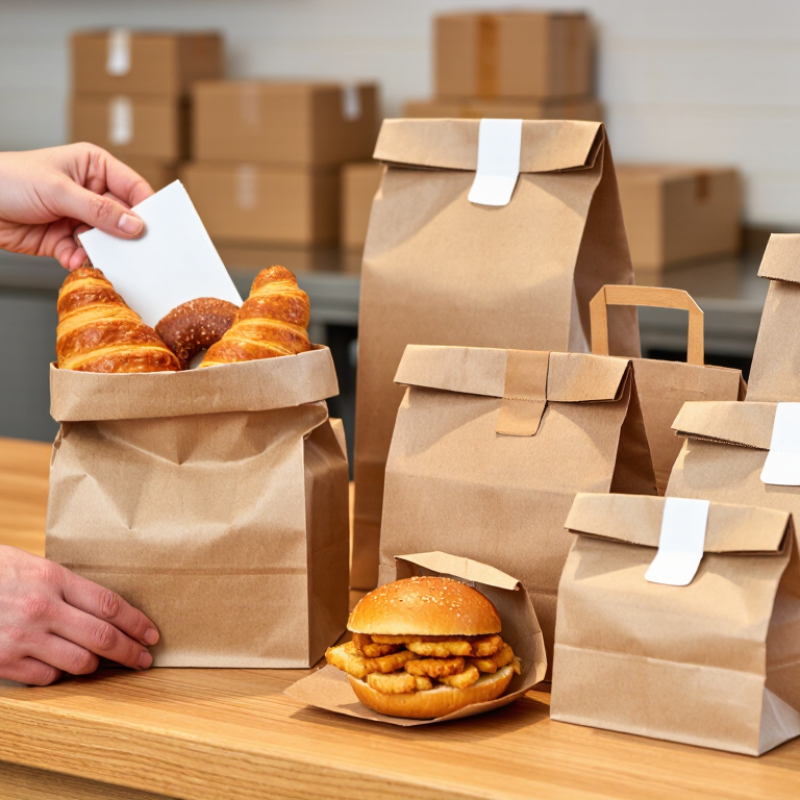
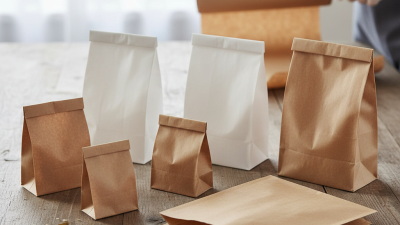
Greaseproof paper bags are made to resist oil and moisture from foods. Their treated paper helps prevent stains, leaks, and weakened sides. Unlike ordinary paper bags, they can hold fries, pastries, sandwiches, and other greasy items more reliably. That difference matters. The paper should still feel breathable, allowing steam to escape instead of trapping excessive moisture.
In daily food service, these bags are useful for takeaway counters, bakeries, cafes, and market stalls. A pastry bag may protect flaky layers from oil marks. A sandwich bag can keep fillings contained during short transport. Small bags suit cookies or fried snacks, while larger formats can carry several items. In my experience, customers notice greasy fingerprints quickly. Clean packaging supports a more trustworthy eating experience.
Choosing the right bag depends on the food, serving temperature, and carrying time. Check the paper weight, grease resistance, opening size, and closure style. Food-contact documentation is also important, especially when the bag touches hot or oily products. A simple trial can reveal practical problems: place the actual food inside, wait fifteen minutes, and inspect the base and seams. Not every bag works. I once overlooked bag width, and a generous sandwich crushed the side folds. This small mistake showed why real product testing matters more than appearance alone.
| Bag Type | Typical Paper Basis Weight | Grease Resistance | Moisture Performance | Recommended Food Applications | Key Selection Considerations | End-of-Life Considerations |
|---|---|---|---|---|---|---|
| Flat Greaseproof Bag | 30–50 g/m² | Good | Low to moderate; not intended for liquids | Pastries, cookies, sandwiches, doughnuts, and small bakery items | Choose the bag size according to the product footprint. A lower basis weight is suitable for light, dry foods, while heavier paper offers better tear resistance. | Usually recyclable where local paper-recycling rules accept food-contact paper. Heavy food residue can prevent recycling. |
| Side-Gusset Greaseproof Bag | 35–60 g/m² | Good to very good | Low to moderate; seams may allow leakage with wet foods | Baguettes, rolls, long pastries, bread loaves, and takeaway bakery products | Side gussets create additional volume and help accommodate irregular or elongated products. Check the fully expanded width and height before ordering. | Paper recycling is generally possible when the bag is free from substantial oil, food particles, and plastic components. |
| Stand-Up Greaseproof Paper Pouch | 40–80 g/m² | Very good | Moderate; performance depends on the closure and inner construction | Granola, roasted snacks, confectionery, dry bakery goods, and portioned foods | Useful when shelf presentation and upright display matter. Confirm whether the pouch includes a window, lining, zipper, or other material that affects recyclability. | Uncoated paper structures are more widely recyclable than laminated or plastic-lined structures. Follow local collection requirements. |
| Window Greaseproof Bag | 35–70 g/m² | Good | Low to moderate | Cookies, muffins, pastries, confectionery, and visually merchandised bakery products | A transparent window improves product visibility. Select a bag with a window material and adhesive suitable for food packaging and verify disposal instructions. | Paper and window materials may need to be separated for recycling, depending on local facilities and the window construction. |
| Heat-Sealable Greaseproof Bag | 40–80 g/m² | Very good | Moderate to good, depending on the seal and barrier structure | Packaged snacks, bakery products, dry mixes, and foods requiring a tamper-evident closure | Confirm the required sealing temperature, sealing time, and compatibility with the filling equipment. A strong seal improves handling but does not make the package suitable for liquids. | Recyclability depends on whether the heat-sealable layer is paper-compatible or a separate plastic laminate. |
| Paper Bag with Water-Based Grease-Resistant Treatment | 35–70 g/m² | Good to very good | Low to moderate | Fried snacks, sandwiches, bakery products, and food-service takeaway items | Water-based treatments can provide grease resistance while maintaining a paper-focused structure. Request documentation confirming food-contact compliance and intended temperature limits. | Recyclability varies by treatment and local mill requirements. Food contamination remains a major limitation. |
| Waxed or Coated Paper Bag | 40–90 g/m² | Very good | Moderate to high, depending on coating type | Greasy foods, chilled products, confectionery, and applications needing stronger barrier protection | Coatings can improve resistance to oil and moisture, but they may affect heat tolerance, printing, compostability, and recycling. Confirm the coating composition. | Do not assume recyclability or compostability. The coating and local waste-management guidance should be checked before making environmental claims. |
| Heavy-Duty Greaseproof Paper Bag | 60–100 g/m² | Very good | Moderate; not a substitute for a liquid-proof package | Large sandwiches, loaded pastries, takeaway meals, and products requiring additional tear resistance | Higher basis weight improves strength and handling performance but increases material use. Select the lightest grade that safely supports the product weight. | Paper-based recycling may be available if the bag is clean and free from incompatible coatings, liners, and excessive food residue. |
| Frozen-Food Greaseproof Paper Bag | 50–90 g/m² | Good to very good | Moderate to high when supported by a suitable barrier layer | Frozen pastries, frozen baked goods, and dry frozen snacks | Check low-temperature flexibility, seal integrity, resistance to condensation, and storage conditions. Standard bakery bags may become brittle or fail in freezer environments. | Multi-layer structures can be difficult to recycle. Packaging instructions should reflect the actual material construction. |
| Custom-Printed Greaseproof Bag | 35–90 g/m² | Depends on paper and treatment | Depends on the structure and closure | Retail bakery products, food-service orders, promotional packaging, and portion-controlled foods | Specify food-safe inks, print coverage, color requirements, bag dimensions, minimum order quantity, and delivery lead time. Printing should not compromise food-contact safety. | Ink, coatings, windows, and laminates can influence recycling. Use only environmental claims supported by the complete packaging specification. |


 Jimmy
Jimmy Eric
Eric