What is the Best Wax Paper Food Wrapping for Your Needs?
When it comes to food preservation, Wax Paper Food Wrapping stands out as a versatile and eco-friendly option. This type of wrap offers a reliable barrier against moisture and air, helping to keep your food fresh. Many people overlook its benefits, opting for plastic wraps instead. However, wax paper provides a sustainable choice that minimizes environmental impact.
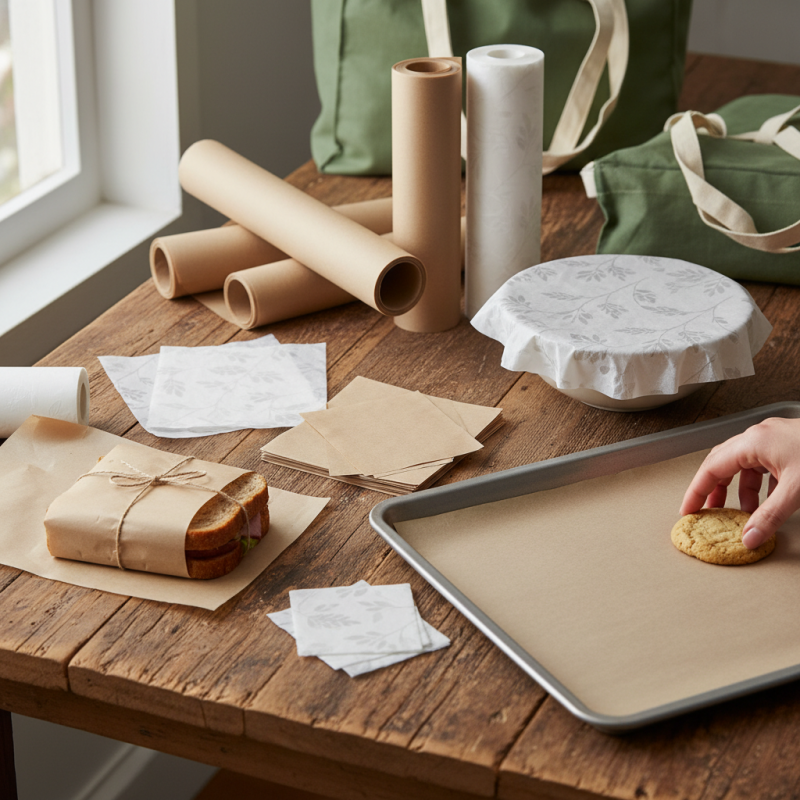
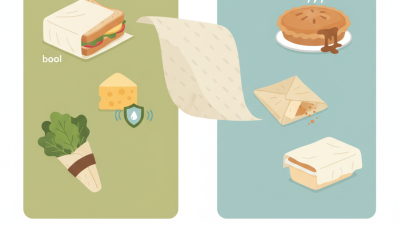
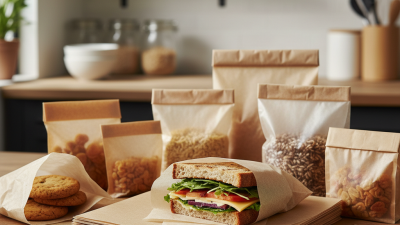
Using Wax Paper Food Wrapping can enhance your culinary efforts. It is perfect for wrapping sandwiches, covering bowls, or even lining baking sheets. The key is choosing the right kind for your needs. Different types exist, each with unique features. It's important to consider not only your food storage needs but also the environmental implications of your choices.
Some users might find wax paper not as convenient as plastic wraps. It can sometimes tear easily and may not cling as tightly. However, its benefits often outweigh these drawbacks. By understanding how to effectively use Wax Paper Food Wrapping, you can embrace a more sustainable lifestyle while enjoying its practical advantages.
Understanding the Different Types of Wax Paper for Food Wrapping
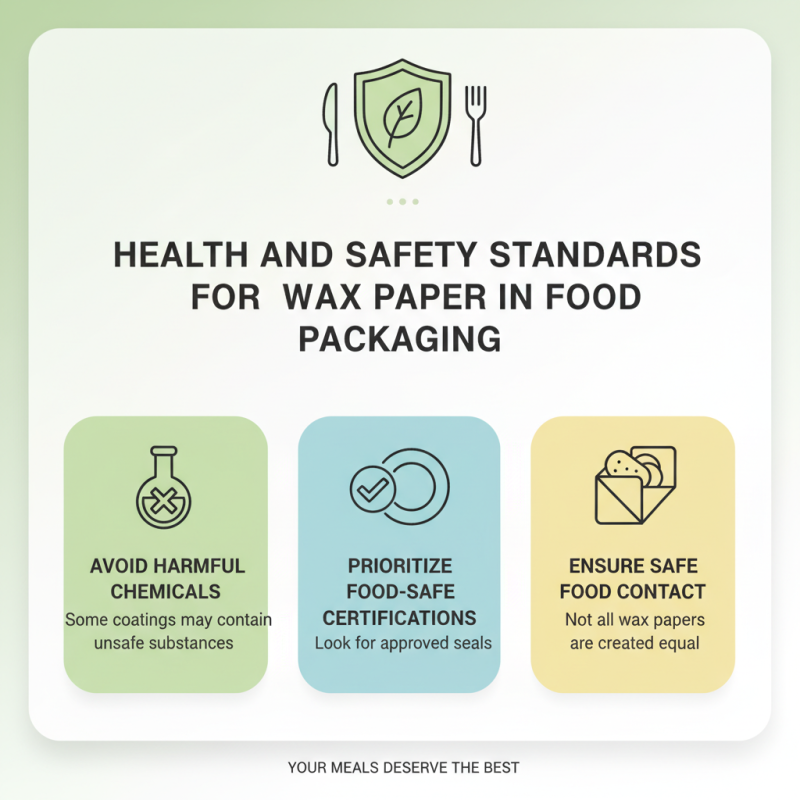
When it comes to selecting wax paper for food wrapping, understanding the various types available is crucial. Paraffin wax is the most common. It provides a moisture barrier and is often used for wrapping sandwiches or baked goods. The USDA reports that wax paper can safely be used for food wrapping, but it should not be used in ovens or microwaves.
Another type is beeswax paper, which is more eco-friendly. Made from natural materials, it's reusable and biodegradable. Studies show that beeswax wraps can be effective in reducing food waste, as they extend the freshness of fruits and vegetables. However, they require gentle cleaning and care to maintain their longevity.
Tips: Always check whether the wax paper is food grade. This ensures safety when wrapping edible items. Try to avoid using wax paper with high-fat content food, as the wax may dissolve. When opting for eco-friendly options, understand that they might be pricier but offer long-term benefits.
What is the Best Wax Paper Food Wrapping for Your Needs?
| Type of Wax Paper |
Material Composition |
Best For |
Benefits |
Drawbacks |
| Bleached Wax Paper |
Pulp fiber with wax coating |
Sandwiches and deli items |
Smooth surface, food-safe |
Less durable, can tear easily |
| Unbleached Wax Paper |
Natural paper with wax coating |
Baking and steaming |
Eco-friendly, compostable |
May not be as visually appealing |
| Wax Paper Rolls |
Pulp fiber with wax coating |
Custom sizing for various foods |
Versatile, easy to cut |
Requires cutting tools |
| Printed Wax Paper |
Pulp fiber with food-safe ink |
Gift wrapping and presentation |
Aesthetic appeal |
More expensive, limited functionality |
Comparative Analysis of Wax Paper Versus Other Food Wrapping Materials
When choosing food wrapping materials,
wax paper
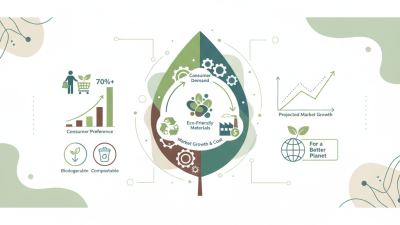
stands out for its versatility. It is biodegradable and provides a breathable barrier. A report by the
Food Packaging Association
indicates that over
70%
of consumers prioritize eco-friendliness in their food packaging choices.
Wax paper offers this benefit while keeping food fresh.
In contrast, plastic wraps, while effective, can have negative impacts on the environment. A study by the
Environmental Protection Agency
revealed that plastic packaging contributes significantly to landfill waste.
Wax paper is less harmful to the planet and can serve well in various situations, from wrapping sandwiches to lining baking trays. This adaptability makes it a strong contender in the food wrapping arena.
Tips: Always check the thickness of wax paper. A thicker sheet can offer better protection against moisture.
Consider using wax paper for items that are less prone to spoilage. For oily foods, double wrapping may be necessary to prevent leakage.
Consumer Preferences: Factors Influencing Wax Paper Selection
When choosing wax paper food wrapping, consumer preferences play a major role. A recent industry report revealed that 75% of consumers prioritize sustainability in their packaging choices. This trend shows a growing awareness of environmental impact. Many prefer materials that are compostable or recyclable. Performance, such as grease resistance and moisture barriers, also influences selection. An impressive 80% of consumers find product functionality crucial.
Price is another significant factor in wax paper selection. Reports indicate about 55% of consumers are budget-conscious. They seek cost-effective options without sacrificing quality. Often, brand loyalty can sway decisions, but quality still reigns supreme. A product's user reviews can have a powerful impact on buying behavior. Positive feedback often converts potential customers.
**Tips:** When selecting wax paper, assess its thickness and durability. Thicker papers often provide better protection. Look for options labeled as eco-friendly for a sustainable choice. Always check the reviews before purchasing. This helps ensure the product meets your specific needs. Consider buying in bulk to save money, especially if you're a frequent user.
Environmental Impact: Sustainability of Wax Paper Packaging Options
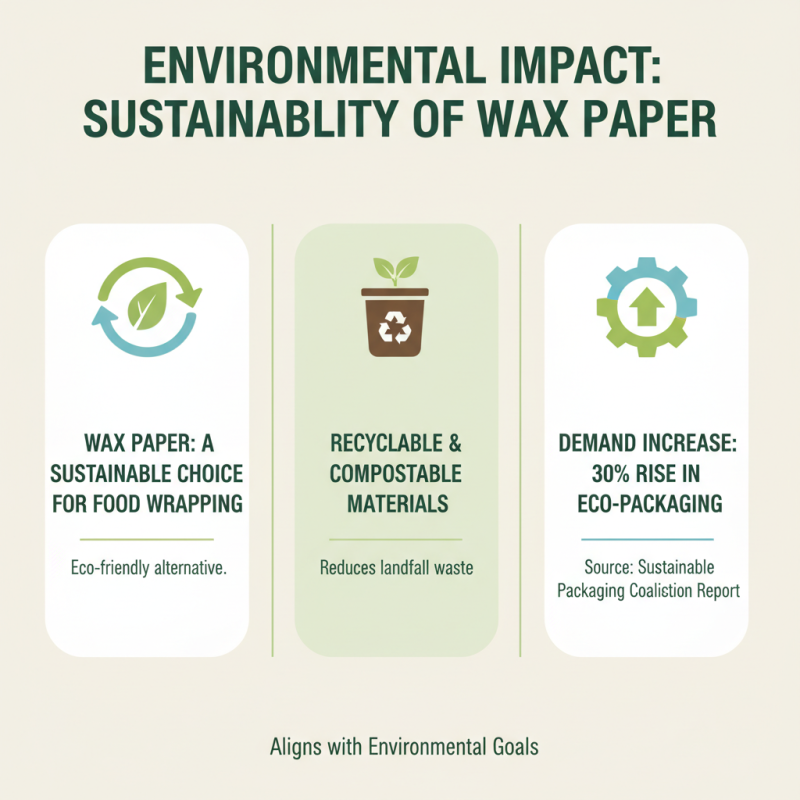
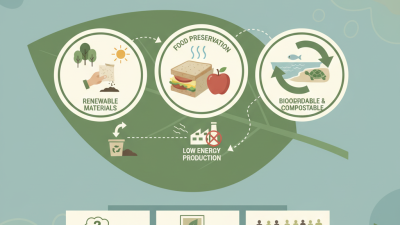
Wax paper has emerged as a sustainable choice for food wrapping, aligning well with environmental goals. According to a recent report by the Sustainable Packaging Coalition, recyclable and compostable materials are gaining traction, with a 30% increase in demand over the past few years. This trend highlights the shift towards eco-friendly packaging solutions, including wax paper.
Wax paper is often made from sustainably sourced paper and coated with a layer of beeswax or soy wax, making it biodegradable. The use of natural ingredients minimizes plastic waste. However, the production process can still pose challenges. Some brands may use chemicals in their wax coating, which can impact the environment. Consumers should carefully research their choices to ensure they are picking truly sustainable options.
Despite the advantages, wax paper is not perfect. It commonly lacks compostability in industrial settings, and its biodegradation can vary based on conditions. Experts emphasize that while wax paper is a better alternative compared to plastic, more transparency in sourcing and manufacturing is essential for consumers. The journey towards completely sustainable food wrapping is ongoing and requires everyone’s effort to make informed choices.




 Jimmy
Jimmy Eric
Eric