Best Wrapping Paper for Food Safe Options to Keep Your Meals Fresh
When it comes to transporting or storing food, the choice of materials can greatly impact the freshness and safety of your meals. One often overlooked aspect is the type of wrapping paper used. Selecting the right "Wrapping Paper For Food" is essential not just for aesthetics but also for preserving the integrity of your dishes. In an era where food safety and sustainability are at the forefront of consumer concerns, understanding the best options available can make all the difference.
The market offers a wide range of wrapping papers designed specifically for food use, ensuring that they are free from harmful chemicals and safe to come into contact with various types of food. From biodegradable options to materials that provide moisture control, the right wrapping paper can keep your meals fresh for longer periods while also being environmentally friendly. In this guide, we will explore the best wrapping paper options that cater to both food safety and practicality, helping you make informed choices for all your culinary needs.
Types of Food Safe Wrapping Paper Available in the Market
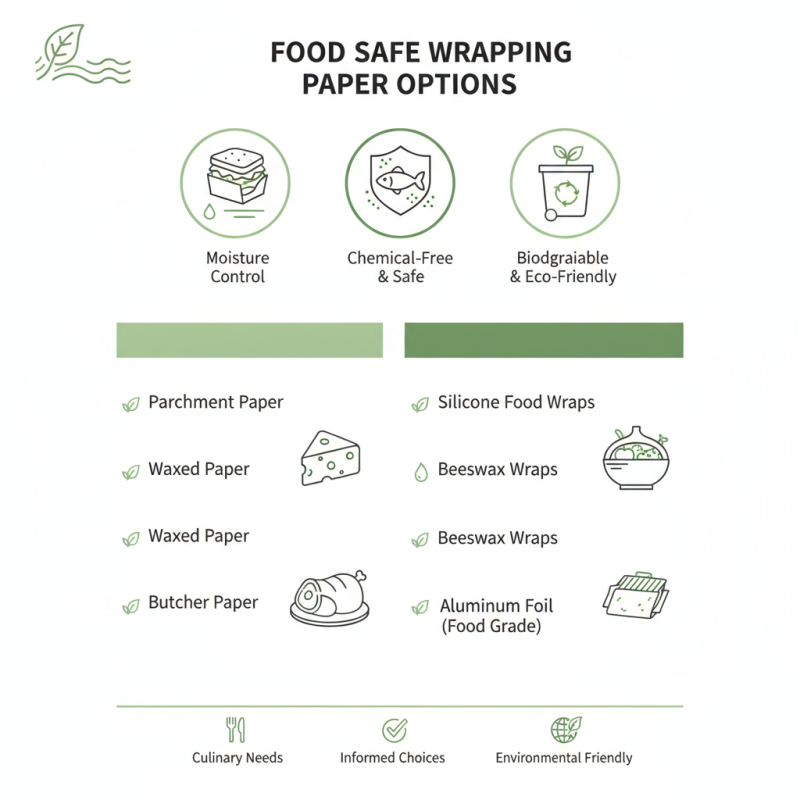
When it comes to keeping meals fresh, the choice of food safe wrapping paper is crucial. There are several types of food safe wrapping paper available in the market, each catering to different needs and preferences. The paper wrap segment is particularly notable as its market is expected to grow significantly, driven by an increasing demand for sustainable and eco-friendly packaging solutions. Options such as parchment paper, wax paper, and biodegradable wraps are popular for their food safety attributes while being kind to the environment.
Another emerging category is beeswax food wrapping paper. This natural alternative is gaining traction due to its reusable nature and ability to keep food fresh without the use of synthetic chemicals. As consumers become more conscious about packaging materials and their impact on health and the environment, the market for food contact paper is projected to reach substantial growth figures. Ultimately, the variety of food-safe wrapping papers available reflects a broader trend towards sustainability in the packaging industry, offering consumers both safety and eco-friendliness in their food storage solutions.
Best Wrapping Paper for Food Safe Options to Keep Your Meals Fresh
| Type of Wrapping Paper |
Material |
FDA Approved |
Biodegradable |
Microwave Safe |
Price per Roll |
| Wax Paper |
Paper coated with wax |
Yes |
No |
No |
$3.50 |
| Parchment Paper |
Heat-resistant paper |
Yes |
Yes |
Yes |
$4.00 |
| Plastic Wrap |
Polyethylene film |
Yes |
No |
Yes |
$2.75 |
| Aluminum Foil |
Thin metal sheet |
Yes |
No |
Yes |
$5.00 |
| Beeswax Wraps |
Cotton infused with beeswax |
Yes |
Yes |
No |
$12.00 |
Benefits of Using Food Safe Wrapping Paper for Meal Preservation
When it comes to meal preservation, the type of wrapping paper used can significantly impact food quality and safety. Food-safe wrapping options are specifically designed to prevent contamination and extend the freshness of meals. According to a 2021 report from the Food Packaging Institute, using appropriate food-safe materials can reduce spoilage by up to 30%, leading to less food waste and enhanced flavor retention. These papers often feature coatings that resist moisture and grease, making them ideal for wrapping sandwiches, pastries, or leftover dishes without compromising safety.
Additionally, food-safe wrapping papers can contribute to healthier eating habits. A study published in the Journal of Food Science in 2020 indicated that food stored and wrapped properly retains its nutritional value for a longer duration. Materials such as parchment and wax paper are not only safe but also biodegradable, aligning with the growing consumer demand for sustainable packaging solutions. As consumers become more aware of food safety and waste reduction, investing in high-quality, food-safe wrapping paper becomes an essential part of meal preparation and preservation strategies.
Key Properties to Look for in Food Safe Wrapping Paper
When selecting wrapping paper for food, it’s crucial to focus on key properties that ensure safety and freshness. First, look for materials that are durable and moisture-resistant, as this prevents any leakage and keeps the contents intact. Kraft paper, known for its strength and natural feel, is often a popular choice. It can effectively wrap food items while preventing air and moisture exposure, which helps maintain the quality and flavor of meals.
Additionally, consider wrapping papers that are free from harmful chemicals and additives. Biodegradable options are increasingly recognized for their environmental impact and safety, making them an appealing choice for food storage. Specialty papers designed specifically for food use can provide an additional layer of assurance, as they are crafted to meet health standards. Ultimately, opting for food-safe wrapping paper is essential for preserving freshness and ensuring the safety of your meals.
Eco-Friendly Options for Food Safe Wrapping Paper
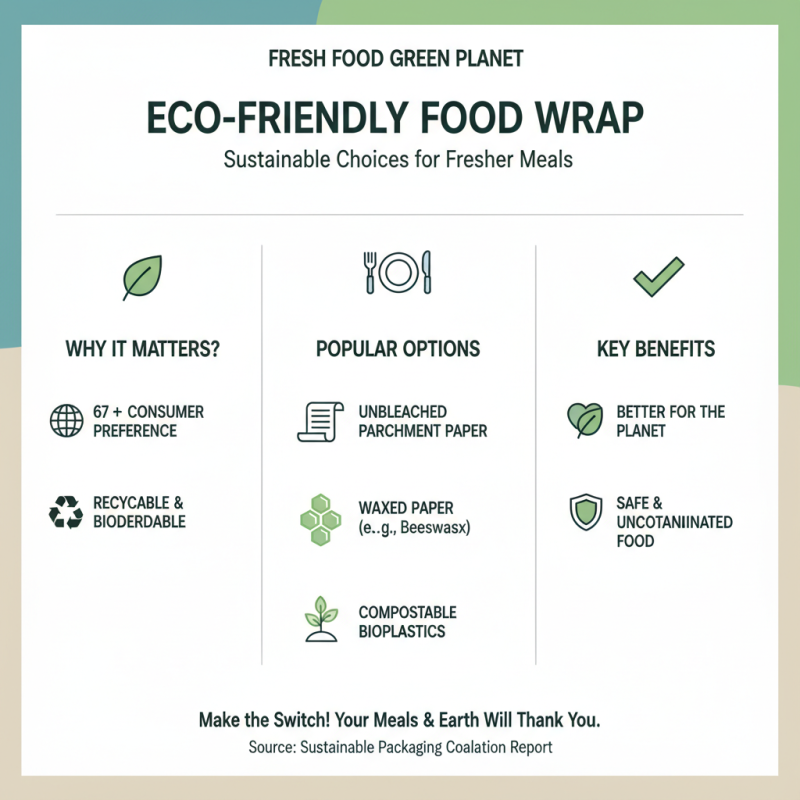
When it comes to keeping your meals fresh, eco-friendly wrapping paper has become an increasingly popular choice among environmentally conscious consumers. According to a report from the Sustainable Packaging Coalition, over 67% of consumers prefer packaging that is recyclable or biodegradable, highlighting a significant shift toward sustainable practices in the food industry. Eco-friendly options, such as unbleached parchment paper, waxed paper, and compostable bioplastics, are not only better for the planet but also safe for food use, ensuring that your meals remain uncontaminated.
In addition to being sustainable, eco-friendly wrapping paper offers practical benefits. Research indicates that natural materials like parchment and beeswax wraps can effectively preserve the freshness of food items by reducing exposure to air and moisture. For instance, a study conducted by the Food and Packaging Institute revealed that using biodegradable wraps can extend the shelf life of various foods by up to 20%, making them a smart choice for both health and environmental preservation. As consumers become more aware of their choices, the demand for food-safe, eco-friendly wrapping options continues to rise, reshaping the future of food packaging.
Tips for Properly Wrapping Food to Maintain Freshness
When it comes to preserving the freshness of your meals, choosing the right wrapping paper is crucial. Food-safe wrapping options not only prevent spoilage but also maintain the integrity of flavors and textures. One essential tip for properly wrapping food involves selecting paper that is specifically designated for food use, such as parchment or wax paper. These materials are designed to resist moisture and grease, keeping your meals safe and fresh.
Additionally, it’s important to ensure that your food is completely cooled before wrapping. Wrapping warm food can create steam, which leads to sogginess and spoilage. When wrapping, aim for a snug fit that minimizes air pockets, as excess air can contribute to freezer burn or drying out. Lastly, don't forget to label your wrapped items with the date; this will help you keep track of freshness and reduce food waste. By following these simple tips, you can effectively maintain the freshness of your delicious meals for longer periods.
Best Wrap Types for Food Preservation
This bar chart illustrates the effectiveness of different wrapping materials in retaining the freshness of food. As seen, Aluminum Foil leads in freshness retention, making it a great option for wrapping meals to keep them fresh.


 Jimmy
Jimmy Eric
Eric