2026 Top Deli Wax Paper Sheet Buying Guide for Global Buyers?
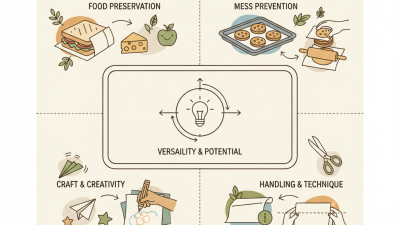
When selecting the best Deli Wax Paper Sheet, buyers face numerous choices. With the rise of eco-friendly products, it's crucial to understand the differences. Deli Wax Paper Sheets serve various purposes, from wrapping food to crafting.
In the thriving global market, quality and reliability are essential. Consumers need to prioritize durability and moisture resistance. Knowing the specifications will help buyers make informed decisions. Look for sheets that are food safe and wax-coated for optimal performance.
Understanding the nuances of Deli Wax Paper Sheets often requires expertise. Take time to research brands and reviews. The journey may have its challenges, but proper insights lead to better purchases. Avoid hasty choices; a thoughtful approach ensures satisfaction in the long run.
Understanding Deli Wax Paper Sheets: Importance and Uses
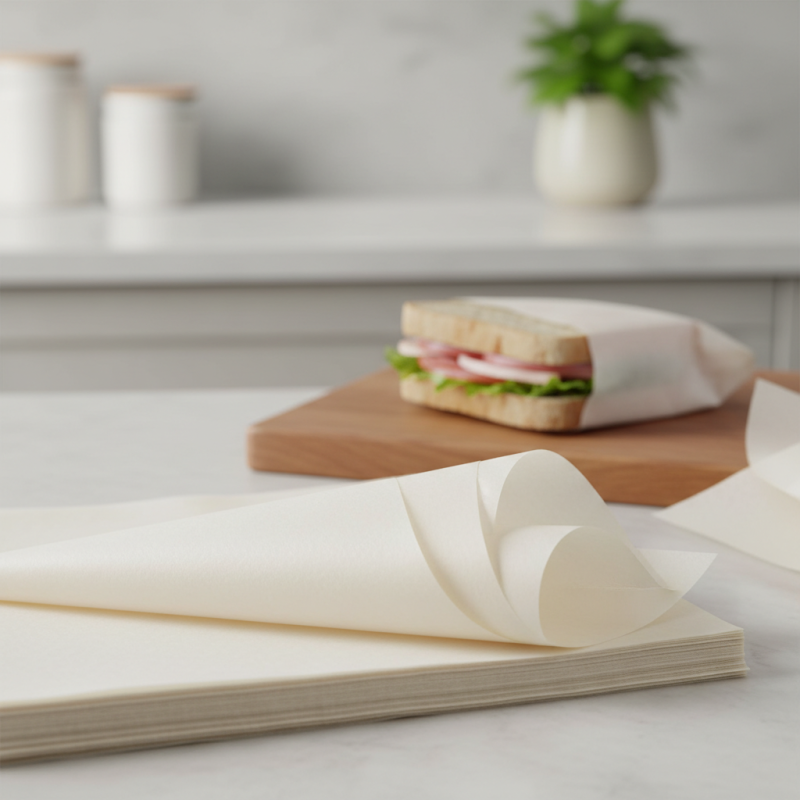
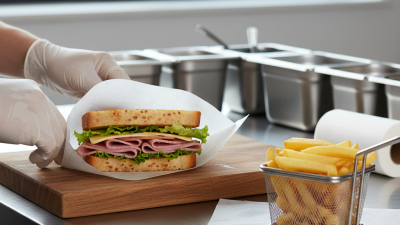
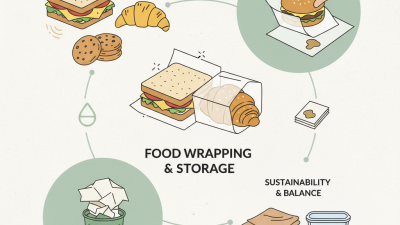
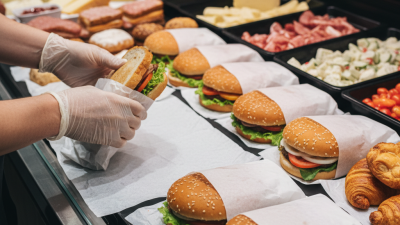
Deli wax paper sheets serve essential functions in food service. They are commonly used in delis, bakeries, and restaurants. Their primary role is to provide a moisture barrier, keeping sandwiches and other foods fresh. This is crucial in maintaining flavor and preventing sogginess. Additionally, wax paper can be used to wrap greasy items without leakage.
Understanding how to use deli wax paper can elevate the dining experience. Chefs often use it to layer food and prevent sticking. For example, placing wax paper between layers of pastries keeps them intact. The sheets are also handy for portioning out cheese and cold cuts. However, improper use can lead to issues, such as wax contamination.
Creating a visually appealing presentation matters in food service. Wax paper can add a rustic charm to plating. It's essential, though, to balance aesthetics with functionality. Not all wax papers are of equal quality. Some may not hold up well under moisture. Choosing the right kind can save time and effort in the kitchen. Using deli wax paper effectively requires both skill and knowledge.
2026 Deli Wax Paper Sheet Usage and Importance
Key Features to Consider When Buying Deli Wax Paper Sheets
When selecting deli wax paper sheets, several key features are essential for buyers. First, consider the thickness of the paper. The standard thickness is around 35 to 50 GSM. A thicker sheet offers better durability, preventing tearing during use. According to industry data, thicker wax paper tends to adhere better to food items, retaining moisture and flavor.
Next, the wax coating plays a significant role. Quality sheets feature a uniform layer of wax that enhances non-stick properties. This ensures easy removal of sandwiches or baked goods. Notably, sheets with a high-quality wax finish show a 20% improvement in moisture resistance, as per recent market analyses.
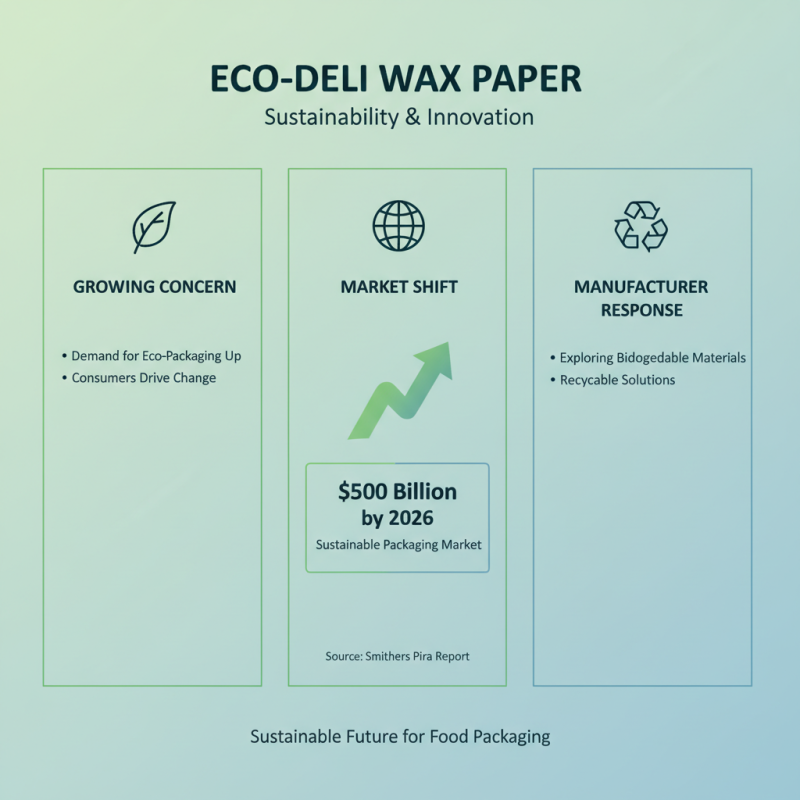
Lastly, sustainability is becoming crucial for many buyers. Consumers are increasingly seeking eco-friendly options made from recyclable materials. In a recent survey, 65% of industry professionals cited sustainability as a top consideration. This reflects a growing trend towards environmentally responsible packaging solutions within the food industry. As buyers evaluate deli wax paper sheets, balancing performance with sustainability is vital.
Top Brands and Manufacturers of Deli Wax Paper Sheets
When selecting deli wax paper sheets, understanding the market's leading brands and manufacturers is crucial. Various research reports indicate that the demand for deli wax paper is projected to grow steadily. In 2022, the market was valued at approximately $200 million and is expected to reach $290 million by 2026. This growth signifies a robust interest in sustainable packaging options.
Top manufacturers focus on quality and eco-friendliness. They use natural materials that are safe for food contact. Innovations in production have led to improved moisture resistance and durability. However, not all brands deliver consistent quality, leading buyers to be discerning about their choices. Several market players encounter challenges in raw material sourcing, impacting their production capabilities.
Adapting to consumer preferences is essential for these brands. The trend toward sustainable packaging is prominent. Manufacturers who fail to innovate may lose market relevance. Transparency in their sourcing and production processes can enhance trust. Noting these aspects can guide buyers in making informed decisions in a competitive marketplace.
Global Market Trends and Buying Tips for Deli Wax Paper Sheets
The global market for deli wax paper sheets has been steadily evolving. Recent reports indicate a projected growth rate of 4.5% annually over the next five years. This reflects increasing demand in the food packaging sector. The rise in takeout and delivery services has amplified the need for reliable packaging solutions. Deli wax paper is favored for its moisture resistance and grease-proof properties.
Buyers should consider sourcing from regions known for high-quality production. For example, North America and Europe offer advanced manufacturing standards. Look for certifications that ensure compliance with health regulations. Selecting suppliers that prioritize sustainability can also set businesses apart. However, not all products are created equal. Variations in quality can affect performance. Testing samples before bulk orders is a wise precaution.
Industry professionals suggest keeping an eye on market trends. Digital platforms provide valuable insights into pricing and availability. Networking with other buyers can identify reliable manufacturers. This helps mitigate risks associated with poor-quality supplies. A balance between cost and quality must be maintained. Adapting to shifts in consumer preferences can strengthen market positioning. An informed buying strategy is vital for success in this competitive landscape.
2026 Top Deli Wax Paper Sheet Buying Guide for Global Buyers
| Feature |
Description |
Market Trends |
Buying Tips |
| Material |
Food-safe wax coating on paper for moisture resistance. |
Increasing demand for eco-friendly packaging options. |
Look for biodegradable or compostable options. |
| Sheet Size |
Available in various sizes: 12x12 inches, 14x14 inches, etc. |
Customization trends for specific business needs. |
Select a size that fits your products without waste. |
| Weight |
Different weights available to suit various packaging needs. |
Shift towards lightweight packaging to reduce costs. |
Consider weight for shipping and handling efficiencies. |
| Usage |
Perfect for wrapping deli meats, cheeses, and sandwiches. |
Growing eat-at-home trends boosting deli paper demand. |
Evaluate based on food type for best performance. |
| Price Range |
Typically ranges from $20 to $50 per case, depending on quality and quantity. |
Price sensitivity among small businesses. |
Compare bulk pricing for cost savings. |




 Jimmy
Jimmy Eric
Eric